
30 Percent Is Not Enough But It's the Foundation
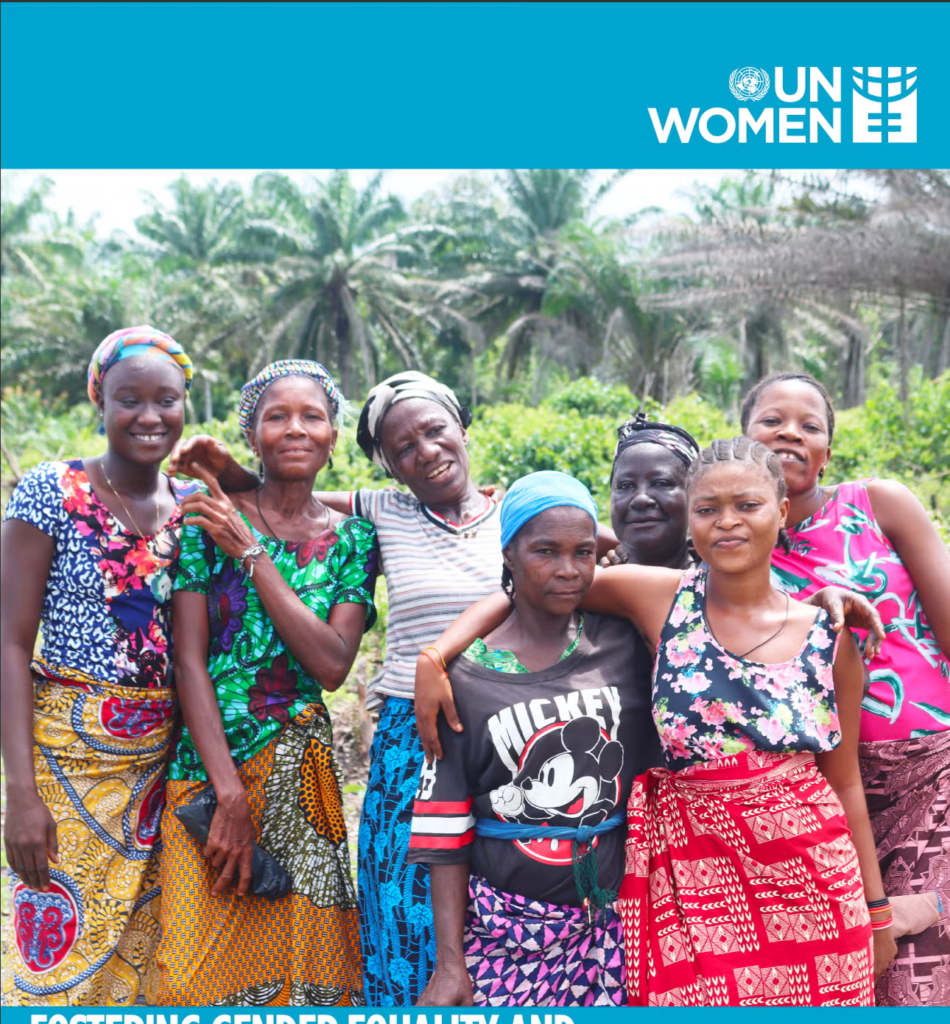
Sierra Leone’s Gender Equality and Women Empowerment Act mandated 30% female representation in all appointed and elected positions. This research paper — produced two years after passage — examines what has changed, what has resisted change, and what the broader African policy community can learn from the politics of making it happen.
What Changed
The most visible impact has been in Cabinet and senior public service appointments, where compliance with the 30% threshold has been largely achieved. In parliamentary representation, progress has been slower — structural barriers in constituency politics, financing, and party selection processes continue to limit women’s ability to contest and win seats.
What Has Resisted
Cultural and community-level attitudes have proven slower to shift than legislation. In rural and traditional governance structures, women’s leadership continues to face informal resistance that the Act cannot directly address. The paper argues that complementary programmes — free STEM tuition, legal aid, and community-based civic education — are the necessary complement to the legislative mandate.
"Ensuring women have 30% of all appointive and elective positions is a crucial complement to empowering women to contribute more effectively to development." — Prof. Yemi Osinbajo, JMBLC 2025