
Democratic Resilience in a Region Under Pressure: Lessons from Sierra Leone's Post-Conflict Transition
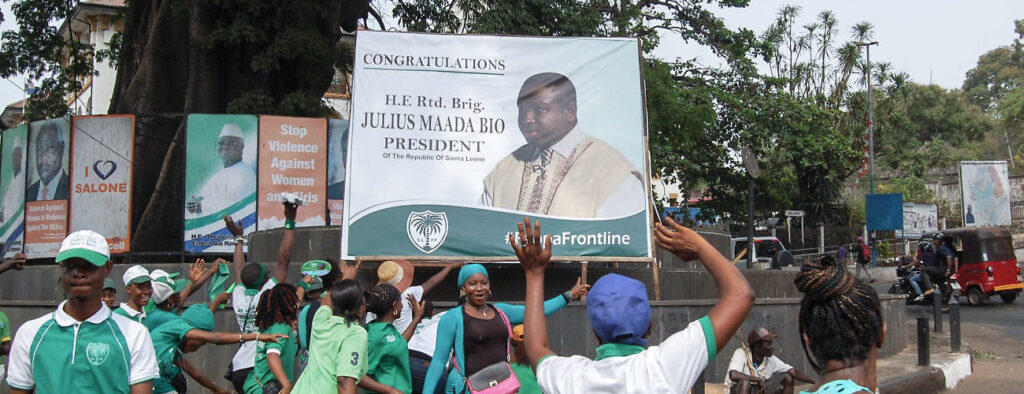
Against the backdrop of four successful coups in the Sahel between 2020 and 2023, this paper asks the most urgent question in African governance: how do some post-conflict states consolidate democracy while others slide back? Sierra Leone’s trajectory offers a compelling and underexamined answer.
The 1996 Watershed
In 1996, at only 32 years old, then-military Head of State Julius Maada Bio made a decision that defined Sierra Leone’s democratic trajectory: he organised multiparty elections and voluntarily handed power to the winner. In a region where military rulers rarely relinquish control, this act of democratic integrity was both exceptional and foundational.
From Fragile State to UN Security Council
The paper traces Sierra Leone’s path from post-conflict fragility — through the 1996 elections, the 1997 coup and restoration, the end of the civil war in 2002, and successive peaceful transfers of power — to its election to the UN Security Council in 2023 with 188 of 192 votes. It identifies institution-building, sustained investment in human capital, and consistent anti-corruption signalling as the three non-negotiable ingredients of democratic consolidation.